Horse Well-Being
- Horse Careers, Horse Health, Horse Management, Horse Well-Being, Pony Club Blog, Tips From Pony Club Pros
Inside Your Horse’s Inner Circle: Voices from Your Equine Care Team
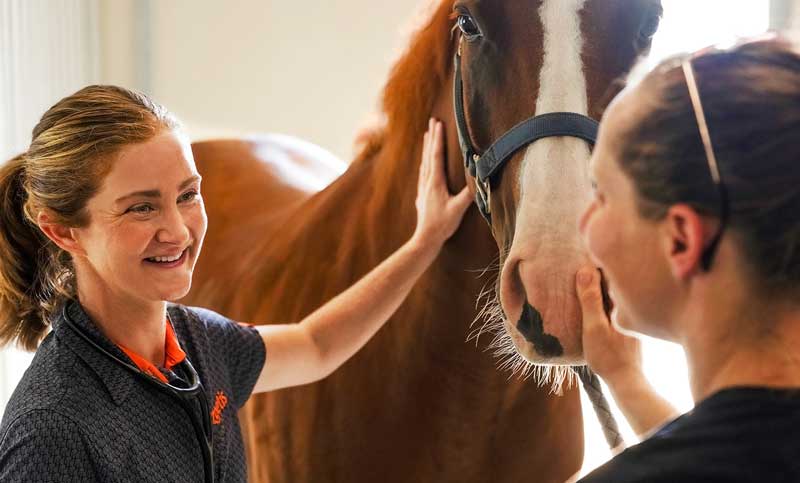
Every horse has a story, and behind that story is a team of people dedicated to helping him thrive. His inner circle may include the owner, rider, trainer, farrier, groom, and barn manager who support his day-to-day care, as well as practitioners offering alternative therapies, such as acupuncture, massage, and physiotherapy. Together with the veterinarian—the quarterback—who helps guide medical care and coordinates with the broader team, these professionals play an important role in helping a horse feel and perform at his best.
-
7 Strategies for Secure and Safe Feed Storage
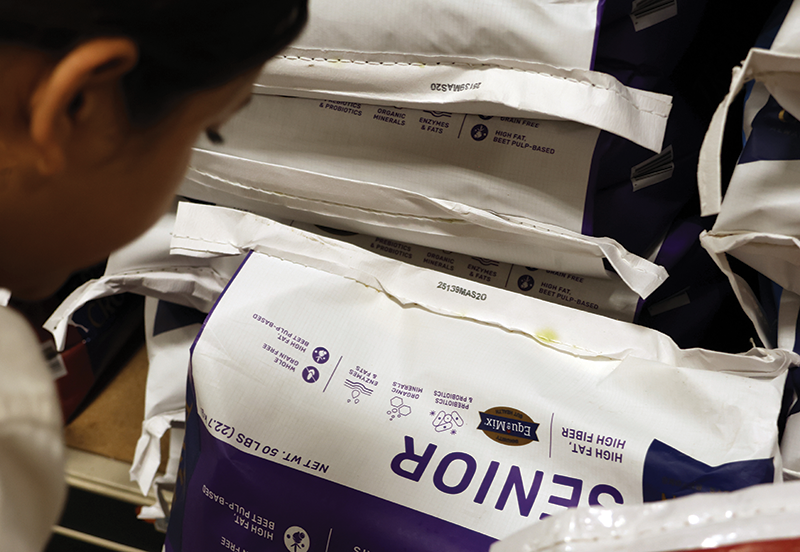
It’s important that the feed you purchase is fresh, and is stored properly so that it stays that way. These seven tips will help ensure your horse feed stays fresh longer.
-
New World Screwworm Confirmed in Texas and New Mexico Horses
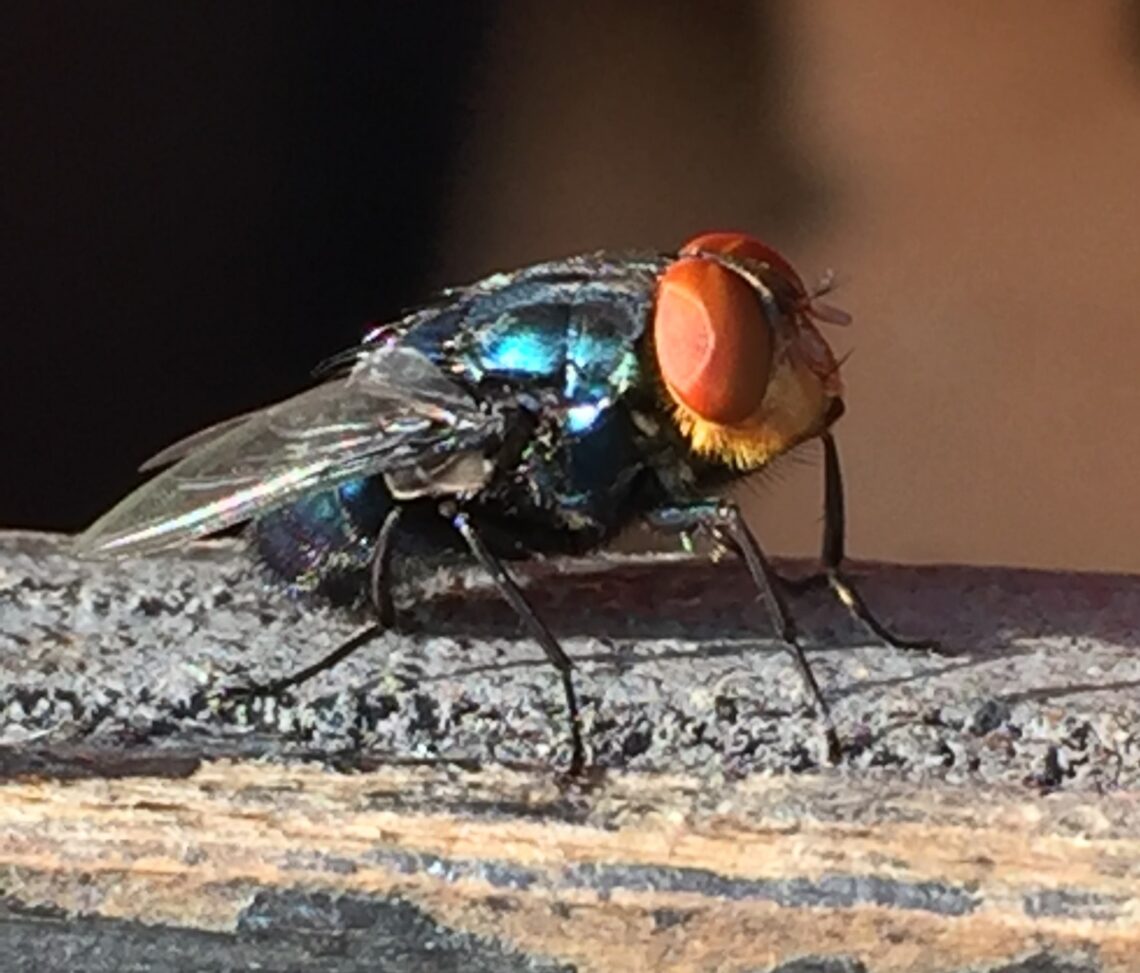
The USDA has confirmed a case of New World Screwworm (NWS) in a leg wound on a working ranch horse in Grant County, New Mexico. This is the second confirmed horse case in the United States as part of the current incursion.
-
Health Partnerships for Happy Horses
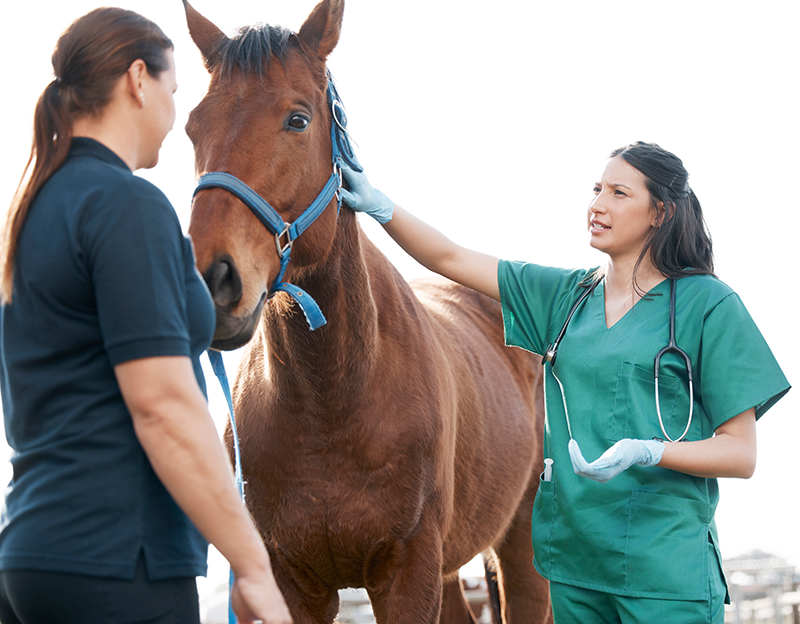
Establishing a good relationship with your veterinarian is an integral part of maintaining your horse’s health and well-being. Learn tips for creating a good working relationship with your vet.
-
The Gleaming Gray Horse
It may seem like only gray and light-colored horses get dirty and stained, when in reality, horses of all colors trap dirt and grime in their coats. However, we can just see it more clearly on light-colored horses.
-
Creating a Comprehensive Care Plan for Your Horse
Planning ahead for your horse’s annual health care and developing good preventive strategies makes a difference in your horse’s overall health. Learn how to develop a year-round comprehensive care plan to keep your horse feeling their best.
-
Which Feed for Your Steed?
There are a variety of horse feed types and textures you can choose for your horse. The right product for your horse comes down to age, workload, caloric needs, health issues, and, their preferences.
-
Overcoming 8 Everyday Arena Problems
Knowing how to problem-solve in the arena is key for any rider to improve. Let's take a look at what to do in eight common scenarios.
- Horse Health, Horse Management, Horse Well-Being, Nutrition, Pony Club Blog, Tips From Pony Club Pros
Shiny Horse Secrets
Showcasing a clean, shiny, and trimmed horse at any special event shows your respect for your horse and the sport or discipline you are competing in. From the experts, get tips to help you get a fantastic shine to make your horse show-ring ready.
- Horse Health, Horse Management, Horse Well-Being, Nutrition, Pony Club Blog, Tips From Pony Club Pros
Pasture Perils
For some horses, pasture grass creates weight management challenges and may trigger painful health conditions. Learn more about what kinds of conditions can arise and tips for managing pastures to mitigate the conditions.