
Riding a New Horse
By USPC Instruction Department; Brought to you by Stoneleigh-Burnham School
Whether you take regular lessons, are searching for your next mount, are borrowing a horse, riding a new lesson horse, or participate in a “catch ride” formatted program, such as the Interscholastic Equestrian Association (IEA) or Intercollegiate Horse Shows Association (IHSA), riding a variety of horses is what makes a rider well rounded.
“I grew up in a lesson barn. Every week, I walked into the barn looking at the schedule board, searching the list of horse’s names to see which one I would be riding,” shares Meg Finn, who works in the Instruction department at the United States Pony Clubs National Office in Lexington, Ky. “Sir, Shasta, Bounder, or Joy, each one with something different to teach, responsible for making me the rider I am today.”
It’s easy to get attached to your favorite mount, but there are many good reasons to reach beyond your comfort zone and ride other horses. “Everyone has their type, but riding different horses and learning different techniques are going to help you overall,” says Sarah Ward, Director of Riding, and a hunt seat instructor at Stoneleigh-Burnham School in Greenfield, Mass.
Let’s look at those differences, the benefits, and a few tips to keep in mind.
All Shapes and Sizes
Horses come in all shapes and sizes, from ponies to draft horses, and everything in between. They all have a distinctive length of stride, balance, rhythm, and way of going. Some have a bit more spring in their step, while others seem to float across the ground.
“Riding horses with different conformation and movement requires a rider who can adapt and maintain their position and balance,” says Finn. “A rider who is strong in their seat and core will be better equipped to sit the trot or stay seated when the horse takes an unexpected step. The more horses you ride, the stronger you’ll be, physically and mentally.”

Cue Up Effective Communication
Some horses respond to the lightest leg, seat, or rein aid, while others may require a less subtle cue. A cue that works well for one horse may not work for another. A hot, nervous horse will appreciate a relaxed, confident rider, while the more seasoned, laid-back mount may need a bit more encouragement to keep going. How each horse interprets the rider’s leg, seat, and hand will vary. As you ride different horses, you learn to adjust the timing, intensity, and execution of your aids, leading to clearer, more effective communication.
When you’re riding a horse that’s new or unfamiliar to you, Ward believes less is more, especially when riding a new horse. “Don’t be afraid to go back to the basics and then build up from there. It’s always easier to add more leg to hand, rather than calm a horse that has either gotten worked up or is annoyed,” she says.
Experience Levels
How each horse has been trained is part of the unique learning experience that comes with riding new horses. “The amount of time they’ve been under saddle, the discipline they’ve been trained in, the things they have or have not been exposed to all factor in,” explains Finn, noting the different skill sets riders adapt when riding a green (inexperienced) horse versus a horse with years of training, often referred to as a schoolmaster.
A young horse may not understand how to pick up the correct canter lead, relying on his rider to help him balance. Working with a young or less experienced horse, the rider’s cues should be clear and consistent, with a deeper understanding of how a horse is trained. Riding a highly trained horse comes with its own set of benefits. A schoolmaster allows the rider to learn what a specific movement is supposed to feel like, lets them focus on their own balance and position, and gives a confidence boost.
“We teach our riders on a variety of different horses with different styles,” adds Ward. “This makes it easy to carry over to the IEA format, because we know they are going to be prepared to ride any horse within their class.” The Stoneleigh-Burnham School has fielded an IEA team since 2002 and boasts four consecutive national titles.
Riding a New Horse Brings a New Perspective
Switching horses with a friend or taking a lesson on a school horse rather than your own regular mount can be a great way to break up the routine. It’s easy for horses and riders to develop bad habits together. You may be sitting off to one side or stronger on one rein than the other. Horses, like us, learn to compensate for these imbalances. Switching things up may offer a new or different perspective or feel. Curious about another discipline or riding style? Switching between English and Western, or riding a reiner, dressage horse, or a jumper will require an entirely different set of skills and muscles!

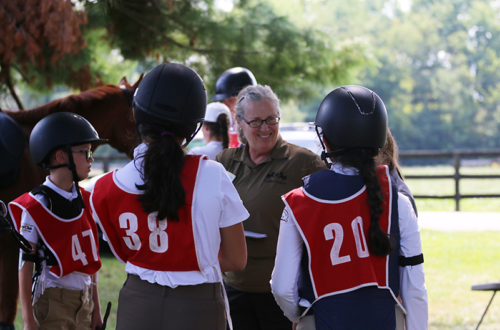
Elizabeth Moyer/United States Pony Clubs
The Power of Observation
Getting on an unfamiliar horse can be intimidating. You may be unsure how the horse will respond to your cues, what his overall gaits will feel like, and how his personality will mesh with yours. If you’re trying a horse for the first time and someone else is warming the horse up first, watch and be observant. “Does the rider wear spurs or carry a crop? Even if you’re not able to watch the horse before you get on, you can learn a lot by paying attention to the equipment he’s wearing. Does he go in a snaffle or a stronger bit? Is there a martingale or does he wear boots?
IEA competition includes a description of each horse, which is helpful. “We read the horse’s description and then watch the warmup,” says Ward. “We write extra notes on the horse’s harder lead/direction, and how the warm-up rider is using their hands and body control, and how much leg the horse prefers.”
You can also learn about a horse by handling him or observing his attitude on the ground. Grooming and tacking up is a great way to get acquainted with a new horse. Even taking just a few moments before you swing your leg over the saddle to longe or hand walk the horse can offer useful insights. How a horse reacts to his surroundings can be a good indicator of his overall demeanor.
With each new or different horse that you ride, you’ll gain and refine your skills, add tools to your own training toolbox, and your confidence will grow. “Every horse has something to teach us,” says Finn. “It is the culmination of these experiences that shapes us as a rider.”
Enjoy the ride!
Meet the Experts
Meg Finn has coached and competed through FEI levels of eventing and ran successful three-day eventing training programs on the West Coast for 25 years. Although her expertise is in eventing, she draws upon a broad base of equestrian activities, including barrel racing, hunters, driving, and even packing mules! She has also spent time riding and working in Ireland and Australia. Meg moved to the Lexington, Ky., area in 2023 and joined the staff at the USPC National Office in 2024.
Sarah Ward has extensive experience in the hunter/jumper discipline, where she competed in the Junior Medals and the College Preparatory Invitational in Palm Beach, Fla. She also competed in the Equestrian Talent Search and was the captain of her college IHSA team. Sarah has been a barn manager and assistant trainer and is a licensed riding instructor. She is currently the director of riding and hunt seat instructor at Stoneleigh-Burnham School in Greenfield, Mass., where she enjoys helping the riders achieve their goals.

About Stoneleigh-Burnham School
At Stoneleigh-Burnham School, we’re serious about helping our student-riders achieve their equestrian dreams and goals. Stoneleigh-Burnham School is one of the few programs boasting an on-campus barn and riding rings with an indoor viewing lounge. Every rider, from beginner to advanced, receives personalized instruction that reflects her interests, goals, and abilities. Licensed coaches provide instruction tailored to all levels with training in equitation, hunters, jumpers, eventing, dressage, and an internship for students looking to take their knowledge beyond the ring. Group classes are typically comprised of four to six students, with great care taken to match ability levels within a group. Private and semi-private lessons are also available.


You May Also Like
Path to the Pony Club A: A Team Effort
Preparing for Your H-B Certification