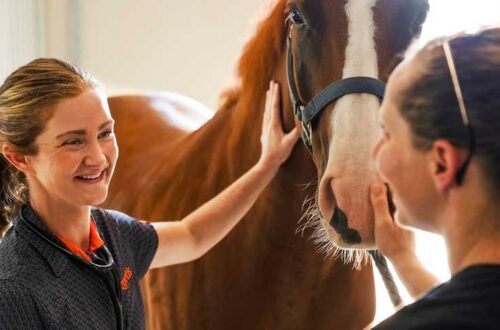

Beyond the Bellyache: Your Guide to Colic Prevention
By Jessica Drexler, PAS, for Triple Crown Nutrition, the Official Feed Sponsor of USPC
Colic. It’s a scary word for horse owners, and unfortunately, it’s heard way too often. In fact, it is listed as the leading cause of death in horses by the American Association of Equine Practitioners.
What is Colic?
Colic is defined as abdominal pain in horses and is caused by a variety of issues. Types and causes of colic in horses include:
Impaction or Obstruction: Caused by a blockage somewhere in the intestines, such as a buildup of undigested feed or forage
Spasmodic Colic: Due to irregular contractions of the intestinal walls, often triggered by stress, diet changes, gas buildup, or parasites
Strangulation: When entrapment of the intestine, twisting, intussusception (telescoping of one part back into another), or a growth or tumor obstruct the intestine, it loses blood supply, which can lead to infection and/or death.
Sand Colic: Caused by excessive intake of sand, which irritates the intestinal lining
Other causes include displacements (positional shifts) of the gut, an inflamed colon, tumors, parasite overloads, and more.

Common Signs of Colic
You may want to monitor your horse and call your veterinarian if you notice any of the following clinical signs:
- Looking, biting, or kicking at his stomach,
- Refusing to eat,
- Acting “off” or sluggish,
- Sweating excessively,
- Getting up and down (restlessness) and excessive rolling, or
- Changes to normal vital signs, such as an increased respiratory rate or heart rate.
What to Do?
If your horse is displaying signs of colic, contact your vet immediately. Early intervention can prevent colic situations from getting worse or may even save your horse’s life. Working with your vet clinic will help you determine if your horse can be treated medically or if he needs surgery.
Monitor your horse in a safe area and keep him calm. Do not allow him to roll, which can lead to gut twists and displacement. If your horse is not in severe pain or exhausted, you can walk him or stand with him. Do not allow him to eat or drink, but consult with your veterinarian if you can allow him to drink water to stay hydrated.
Your vet may ask you to monitor your horse’s vital signs, may ask if he has manure in his stall (no recent feces could indicate a problem), and will advise whether you should administer medications or not. Pain relieving medication can help make your horse more comfortable, but it can also interfere with your vet’s ability to assess and monitor your horse’s pain. Follow your vet’s directions on what you should do until they arrive or until you can get your horse to the clinic.
In addition, are you prepared to trailer your horse to the clinic, if need be? It’s a good idea to start making plans at the beginning of a colic situation in case it is needed. Oftentimes, quick access to the right medical care can make the difference, so always have a plan you can activate in emergencies.
Preventing Colic
1. Ensure all horses have access to water.
In larger herds, it is essential to have multiple water sources, especially if there are timid horses in your herd. Clean out tanks and water buckets often and fill with fresh water. Horses may not drink well if their water source is dirty.

2. Provide free choice salt or add it to your horse’s diet.
Salt increases thirst and helps keep horses drinking. You can provide plain white salt blocks, but check that each horse uses them; otherwise, you can top-dress feed with salt. A good general recommendation is to provide 2 tablespoons of table salt per day to the average 1,100-pound horse. Horses that are working hard or sweating excessively could need as much as 10 tablespoons to replenish the electrolytes they lose in their sweat.

3. Keep a consistent diet and feed smaller meals more often.
We’ve all heard of horses getting colicky because they had a sudden diet change or they “got into the feed room and ate a bunch of grain.” Colic can happen when new foods upset the normal bacteria that lives in your horse’s gut. The gut microbes die off and your horse can quickly become sick.
If you are making changes to your horse’s feed, adding a new supplement, or even switching to a different hay type, transition slowly to allow the gut time to adjust. The general recommendation is to slowly add in the new feed/hay to the diet over seven to 14 days.
In addition, horses should not be fed large meals as they have relatively small stomachs, and excess feed can spill into the hindgut or large intestine, upsetting the digestive system and potentially leading to colic and other problems. Larger meals are not digested properly, and can cause a variety of issues, including colic. Horses are designed to be continuous grazers of forage. Meals involving concentrates (grain) should not exceed 5 pounds per meal. If a horse’s diet requires a larger amount of grain, it should be divided into frequent smaller meals.
4. Don’t neglect health care.
Management of your horse’s overall health is critical for colic prevention. Work closely with your vet to keep up on routine health care. Maintain your horse’s dental health so he can chew his feed well, and make diet changes for horses with poor teeth, as choke and colic can be caused by the buildup
of unchewed feed. Heavy parasite burdens can also cause blockages in the gut, leading to an impaction colic, so good parasite control is a must, as is prevention of gastric ulcers. Furthermore, stress management is vital to keep your horse eating and drinking well at home or while traveling. Stress can disrupt the normal movement of the intestines (known as peristalsis) leading to spasms and pain, which is characteristic of spasmodic colic.
5. Try to reduce or eliminate environmental stress.
Sudden weather changes, including storms or extreme changes in temperature, are notorious for causing colic. Adding water to your horse’s feed or hay to give him extra hydration during weather changes is important for gut health.
In the winter, one of the biggest concerns as the weather gets colder is the increased risk of colic. Encouraging plentiful water intake is especially important, because if horses can’t access water and drink regularly, the risk of colic can dramatically increase. Do not change up feeds or do a sudden diet change as this can change the gut microbiome, increasing colic risk.
If you are keeping horses outside in a cold winter climate, invest in an electric tank heater, and ensure the installation is done safely and properly. Take extra precautions so that the water faucet does not freeze. Installing heated water buckets is also essential for stalled horses in unheated barns. Horses do not drink well if water is too cold; 45ºF to 65ºF is recommended.
6. Exercise is essential.
Movement is very beneficial for the horse’s gut health and for normal digestion. Daily exercise could help ward off colic, in addition to helping your horse maintain an ideal body condition and mental well-being. For horses stalled for long periods of time, it’s important to provide daily turnout or exercise.
By prioritizing your horse’s preventative care through consistent routines, access to water, small meals, and exercise; while also maintaining health care and using careful management practices, horse owners can significantly reduce the risk of colic. Regular monitoring of your horse’s behavior and physical condition will help you address any potential issues before they escalate.
Need more help with your horse’s nutrition? Contact a Triple Crown Feed expert at www.triplecrownfeed.com or call 800-451-9916 for personalized advice.

About Triple Crown Nutrition — Official USPC Feed Sponsor
Triple Crown offers premium equine feeds that provide the exact nutrition your horse needs, designed to help support immunity and gut health. Learn more at TripleCrownFeed.com.
This article about preventing colic was originally published in the Fall/Winter 2025 issue of Discover USPC magazine. Read more content from that issue.

USPC National Office
The United States Pony Clubs, Inc. (USPC or Pony Club) is the largest equestrian educational organization in North America. Started in 1954, the organization has developed curriculum that teaches safe riding skills and the care of horses through mounted and unmounted lessons. Through Pony Club, members have fun with horses and make lifelong friends while they develop skills, habits, and values that extend well beyond the barn and last a lifetime. Many members apply what they have learned in the USPC program successfully in their careers, educational and volunteer opportunities, and other life pursuits.


You May Also Like
Health Partnerships for Happy Horses
New World Screwworm Confirmed in Texas and New Mexico Horses