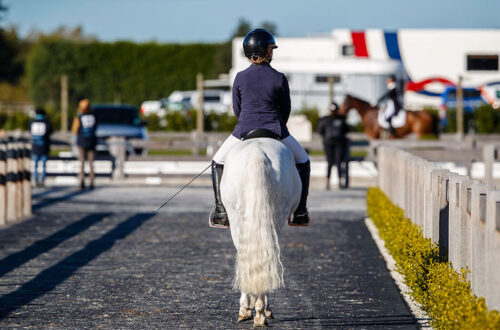

Get the Most from Riding in a Clinic
By Meg Finn, USPC Instruction Department; Brought to you by Stoneleigh-Burnham School
Riding in a clinic can be an invaluable, educational experience, offering a chance to learn new techniques and access to a higher level of instruction, while boosting confidence and skills. Clinicians are often renowned, well-respected professionals who offer a vast amount of experience. You may hear a concept explained in a different way or learn a new technique. Whether you’re participating in a clinic as a rider or attending as a spectator, or “auditor,” watching other riders navigate the exercises in a clinic can provide insight into some common mistakes.
Choosing a Clinic or Clinician
Clinics can cover a wide variety of topics and disciplines. You should have a basic understanding of who the clinician is, their background, and teaching style. Choose a clinician who fits your personality and learning needs. Get recommendations, watch videos (YouTube and social media can help with this!), and ask for insight from others who have attended their clinics. Every clinician will have different approaches and priorities, so knowing a bit more about what to expect can help ease your nerves and allow you to be prepared. Be realistic about your riding level and what is appropriate for you and your horse. Identify your strengths and weaknesses and set clear, obtainable goals.

Clinic Preparations
To make the most of the clinic, a few key preparations can help make it positive and productive for both you and your horse. If the clinic is away from home, make a packing list and have your trailer packed the day before. It’s always good to practice loading and trailering to new places if you can. Clean and condition your tack, wash your saddle pad, make sure that everything is in good working order. Give your horse a thorough grooming, or a bath if it’s warm enough. Tidy up his mane and tail, just as you would for a show. For yourself, choose clothes that are neat and tidy and will allow the clinician to see your position clearly. If your horse is inexperienced, or if either of you is nervous about new places, give yourself extra time to longe, or hack, beforehand, either at home or at the clinic venue. Hand walking or grazing when you arrive can give you both some time to settle in. Be prepared to arrive early, well rested, fed, and with a positive attitude and an open mind.

Warming Up at a Riding Clinic
Keep your warmup simple and stick with your normal routine. If you have a nervous horse, allow yourself time to get him relaxed and listening to your aids. For a more seasoned campaigner, you may opt for a longer rein and stretching exercises to help loosen him up. Be warmed up enough that you can get the most from the clinician’s exercises without you or your horse becoming fatigued.
Find Your Focus
Before your ride, take a moment to clear your mind and take some deep breaths. Be present and stay focused on the experience. Put your phone away. While it can be tempting to chat with other riders or spectators, riding in a clinic is an investment, for you, your horse, and the other participants.

Ask Questions
Let the clinician know if you have any specific issues or limitations. You are there to learn and grow. Be willing to try something new, and stay open minded. Watch other riders and how they handle the exercises. Learn from their mistakes as well as their successes. You can learn a lot by watching other riders and by listening to the coaching you, as well as they, receive. Don’t be afraid to ask questions or for clarification if you don’t understand something. Riding exercises are tools. The more tools you have in your toolbox, the more options you have for helping fix future issues. There are many ways to get to the same result. Take what works for you and leave what doesn’t.
After the Clinic
Was there a phrase you heard and liked? Something that resonated with you? An exercise you’d like to recreate at home? Jot down a few notes or sketch out the exercises so you can review them later. If you are able, have a friend or family member take videos during the clinic, and then watch them. Things aren’t always as they feel. Being able to go back and watch with a fresh perspective can be helpful! Practice what you learned.
Auditing a Riding Clinic
Auditing allows you to attend a clinic as a spectator rather than a riding participant. It’s generally less expensive than riding in one, and there are far less logistics involved. It’s much easier to pack a notebook, snacks, and a chair! You can watch a wide variety of horse-and-rider combinations, see how the clinician handles different situations, makes real-time corrections, and develop your eye.
Be a Good Sport
Clinics take time and resources from all those involved. If it’s a jumping clinic, offer to set or move jumps. Clean up after yourself and your horse. Thank the clinician and host. Ask questions between sessions or when appropriate. Whether participating as a rider or a spectator, be kind, thoughtful, and respectful. Have fun and enjoy the ride!

About Stoneleigh-Burnham School
At Stoneleigh-Burnham School, we’re serious about helping our student-riders achieve their equestrian dreams and goals. Stoneleigh-Burnham School is one of the few programs boasting an on-campus barn and riding rings with an indoor viewing lounge. Every rider, from beginner to advanced, receives personalized instruction that reflects her interests, goals, and abilities. Licensed coaches provide instruction tailored to all levels with training in equitation, hunters, jumpers, eventing, dressage, and an internship for students looking to take their knowledge beyond the ring. Group classes are typically comprised of four to six students, with great care taken to match ability levels within a group. Private and semi-private lessons are also available with any of our licensed instructors.


You May Also Like
How to Hot Towel a Horse
How to Mount a Horse Safely