7 Strategies for Secure and Safe Feed Storage
By Jessica Drexler, PAS, for Triple Crown Nutrition, the Official Feed Sponsor of USPC
You want the best for your horse, so you make sure to provide the very best care and feed. You carefully select a quality feed to ensure he is getting the best ingredients and all the nutrients he needs to be happy and healthy. In addition, it’s important that the feed you purchase is fresh, and is stored properly so that it stays that way. These seven tips will help ensure your horse feed stays fresh longer.
Buying Feed
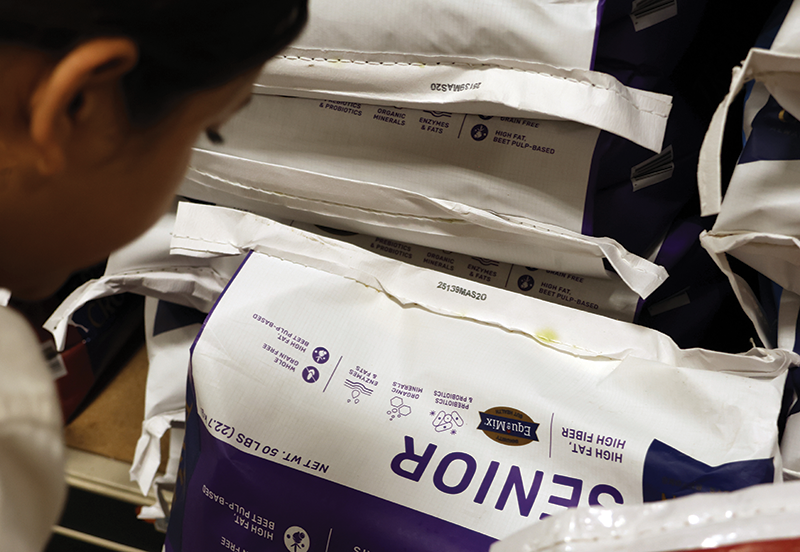
1. Check the date code on the feed bags.
Triple Crown and many other feed companies typically have the manufacture date stamped on the bottom white tear strip or on the sewn-on tag using a series of letters and/or numbers. Many use the Julian date code system, which uses a combination of the year and the day within the year. January 1 would be 001 and December 31 would be 365. The year may be displayed with one or two digits (e.g., 5 or 25 for 2025). Manufacturing mills often use a letter code to designate where they were manufactured, like HAR for Harrisburg. Get familiar with how to read these date codes (e.g., a feed made at Harrisburg on April 30, 2025, is 25120HAR). Conversion charts are available online.
2. To buy or not to buy?
There are general guidelines for how long feed is considered fresh, but weather, storage, and usage all factor in. In the guidelines, equine nutritionist Clair Thunes, PhD, recommends using textured feed within 90 days of the manufacture date and pelleted feed within 180 days.
Ideally, lower-fat pelleted feeds should be fed within four to five months of manufacture date. For higher-fat feeds, feed within three to four months or less. The reduced “use-by” date is due to higher-fat feeds being more prone to mold.
While these are general guidelines, some owners may prefer feed that is fresher than three months old, while others may be fine with slightly older feed. It is documented that at about six months of age, vitamin and mineral levels in feed begin to break down, so this may be the maximum use-by date others follow as well.
Triple Crown provides this guideline:
“For freshness and palatability, it is recommended stores sell Triple Crown feeds within three to four months from date of production. Under proper storage conditions, feed quality can be guaranteed up to six months from date of production. Do not feed if product is moldy or has insect contamination.”
3. Buy smaller quantities versus stocking up, when possible.
Feed will have a longer shelf life in cooler temperatures compared to hot, humid temperatures. We recommend only purchasing about two to three weeks’ worth of feed in hot temperatures and heading to the store when you are getting low. Buying larger quantities is just not worth the possibility of molding or spoilage if you are not able to use it within a reasonable time. However, you can usually stock up in cooler months. Carefully assess how much feed you need for each horse, which type of feed, and how many bags of each feed type you will need.

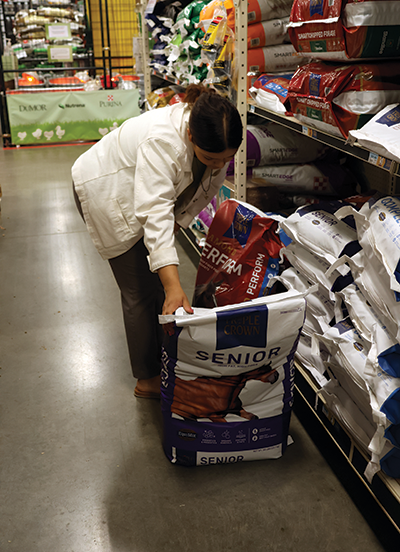
4. See something wrong with a feed bag at the store? Say something!
If you are at the feed store and see feed that has old date codes, signs of bugs, or a bag that looks damaged, alert staff. Stores do their best to provide the freshest feed by:
- Rotating feed—the first in should be the first out;
- Storing feed in a clean and orderly location, away from weather and off the ground (usually on pallets); and
- Making sure the feed area is free of insects and rodents and away from non-consumables, because feed can pick up the odor of chemicals or paint, for example, and then become unpalatable to horses.
Feed Storage
One important reminder is to keep receipts for any feed and hold on to your empty feed bags, especially if you put your feed in bins or containers. Information on the bag is crucial should you have a product question or concern.
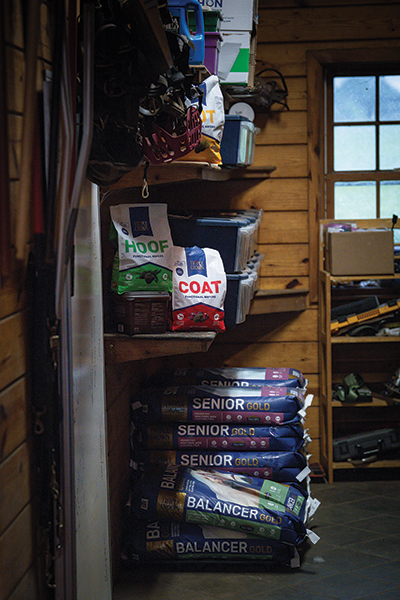
5. Store feed properly.
Follow the previous recommendations and store your feed in a cool, dry location away from weather, direct sunlight, and off the ground, and do your best to prevent insect and rodent infestation. You may choose to feed out of the bag, put the open bag in a bin and feed out of that, or pour feed directly into cans or bins. It’s important to ensure that feed stays sealed up against the elements and pests, so bins are a popular choice. Bins should be of a material that rodents can’t chew through, and the lid should be secure from the prying paws of a clever raccoon. You’ll also want to ensure your horse can’t get access to feed if he should he get loose, especially due to the risk of laminitis that can result from binging a large meal.
Be sure that you completely use up feed in the bin and give it a good cleaning before adding new feed into the container. You do not want to pour new bags of feed on top of feed in the bin or it could eventually mold and develop insect issues. In addition to keeping the bin clean, it’s important for pest prevention to sweep up any feed that falls on the ground.
6. Inspect your new feed bags.
As you open new bags, inspect the feed for any signs of issues, such as mold, an off odor, bugs, or any contamination. If something isn’t right, do not feed it to your horse. If you recently purchased the bag and have the receipt and bag with the date code, follow the return guidelines for your store for either a return or refund. Keep in mind that if you stored feed for many months and then start to find moldy feed bags, it is no longer the store’s (or the feed manufacturer’s) responsibility.
7. Check your feed daily.
Unfortunately, since feed is perishable, mold could happen at any time despite your best efforts, so check at each feeding.
If you follow these tips, you can help ensure the feed you provide your horse is fresh and at an ideal age. This will also maximize the nutrients you are feeding your horse.
Need more help with your horse’s nutrition? Contact a Triple Crown Feed expert at www.triplecrownfeed.com or call 800-451-9916 for personalized advice.
Supplement Storage
Proper storage of supplements is just as important as your feed storage. Here are some tips to help you keep your products safe and secure.
1. Purchase supplements in smaller quantities.
Supplements can lose potency over time, especially if exposed to heat, moisture, or air. Buying smaller amounts more frequently helps maintain freshness and effectiveness, reducing the risk of wasted products.
2. Store supplements in a cool, dry place.
Heat, humidity, and sunlight can degrade vitamins and minerals in supplements. Keep them in airtight containers stored in a cool, dry, and dark location—such as a dedicated feed room or cupboard—to preserve their quality.
3. Label and date each supplement container.
Keep track of purchase dates and expiration dates by clearly labeling containers. This helps you use older supplements first and avoid giving your horse expired products that may no longer be effective or safe. In addition, keep receipts in case there are any questions or concerns.
4. Avoid cross-contamination.
Use clean, dedicated scoops or measuring tools for each supplement to prevent contamination. Never mix different supplements together unless directed by your veterinarian or nutritionist, as this can affect stability and dosage accuracy.
Follow these guidelines to ensure your supplements remain safe, potent, and beneficial. —Sarah Evers Conrad, USPC Marketing and Communications Director
About Triple Crown Nutrition — Official USPC Feed Sponsor
Triple Crown offers premium equine feeds that provide the exact nutrition your horse needs, designed to help support immunity and gut health. Learn more at TripleCrownFeed.com.
This article was originally published in the Summer 2025 issue of Discover USPC magazine. Read more content from that issue.

USPC National Office
The United States Pony Clubs, Inc. (USPC or Pony Club) is the largest equestrian educational organization in North America. Started in 1954, the organization has developed curriculum that teaches safe riding skills and the care of horses through mounted and unmounted lessons. Through Pony Club, members have fun with horses and make lifelong friends while they develop skills, habits, and values that extend well beyond the barn and last a lifetime. Many members apply what they have learned in the USPC program successfully in their careers, educational and volunteer opportunities, and other life pursuits.